

Garden Therapy
Garden-based support for wellbeing, purpose and connection
At Cultivating Care WA, Garden Therapy uses gardens, plants, nature and meaningful outdoor activity to support wellbeing, purpose and connection.
Garden Therapy is not about being a “good gardener” or achieving a perfect garden. It uses practical, hands-on activity in garden and nature settings to support routines, confidence, everyday skills, participation and care for self, community and nature.
Cultivating care for self, community and nature

Garden Therapy at Cultivating Care WA is guided by a simple idea: care can be cultivated through our relationship with ourselves, our communities and the natural world.

Care for self
Garden Therapy can offer a gentle way to slow down, build confidence and reconnect with yourself through practical, grounded activity. Caring for plants, gardens and living things can also support self-care, self-compassion and self-acceptance.

Care with community
Garden Therapy can support connection, belonging and contribution through shared spaces and community garden activity. For people who feel isolated or disconnected, community gardens may offer a gentle way to be part of something bigger than themselves.
Care for nature
Garden Therapy can offer a practical way to care for the living world through soil care, composting, water care, food growing, habitat and sustainability. For people who feel concerned about the environment, gardens can provide a grounded way to take meaningful action.

The Three Garden Approach
The Three Garden Approach is the core framework that shapes Garden Therapy at Cultivating Care WA.
Support may take place across different kinds of gardens, depending on the person’s goals, interests, confidence, mobility, support needs, and what feels safe and meaningful.
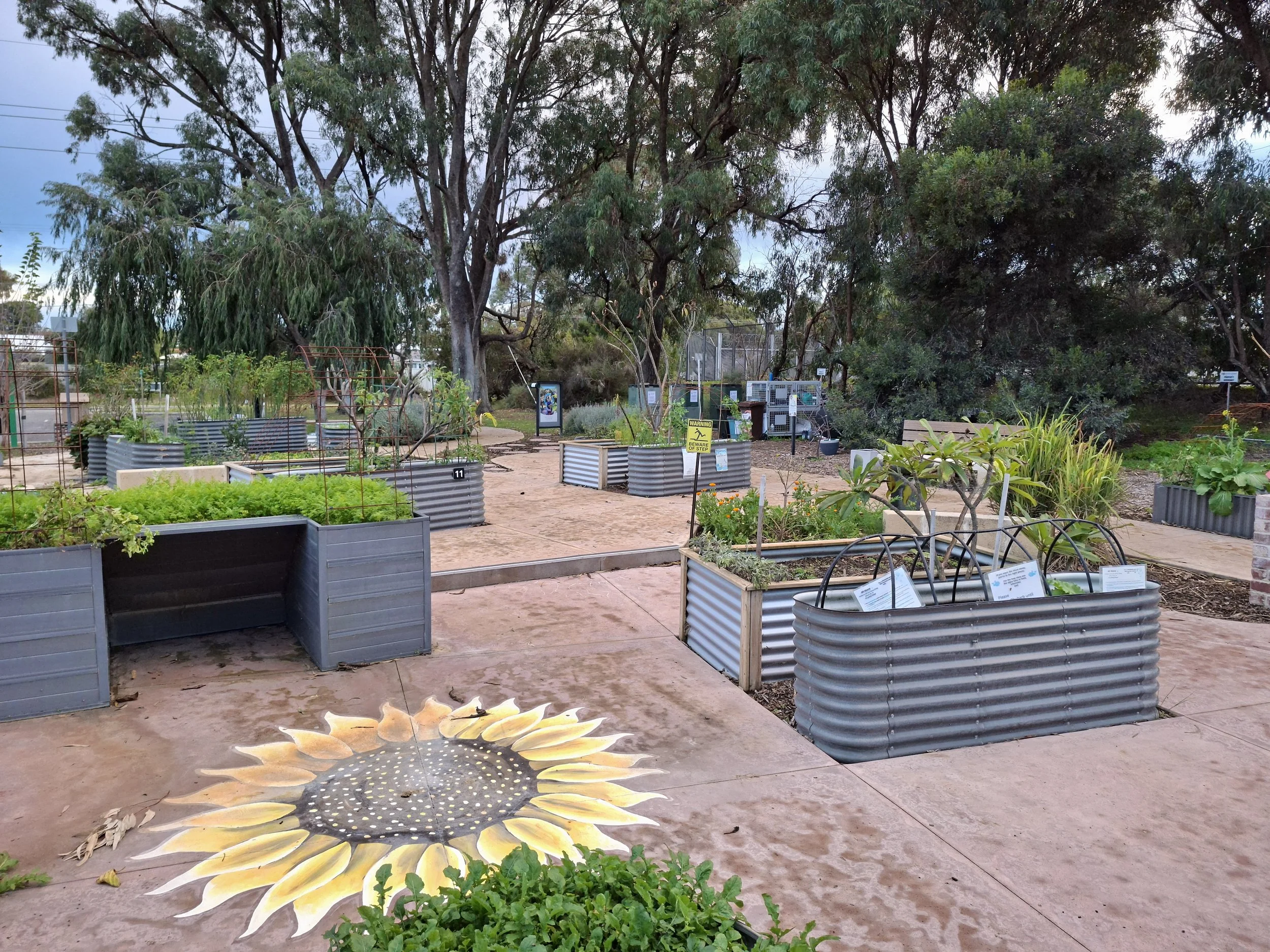
Community Gardens
Community gardens offer shared spaces where people can connect with plants, food growing, sustainability and community life.
This may include gentle participation in garden tasks, exploring a working garden, contributing to shared projects, learning practical skills, or simply spending time in a welcoming outdoor environment.
Community gardens can support routine, social connection, confidence, belonging and meaningful contribution.
Home Gardens
A home garden does not need to be large, established or outdoors. It may be a backyard, courtyard, balcony, verge, raised bed, pot plant area, windowsill herb garden or indoor plant collection.
Garden Therapy at home may focus on creating simple routines, caring for plants, building confidence, noticing seasonal change, or developing a calmer and more nourishing living space.
Nature’s Garden
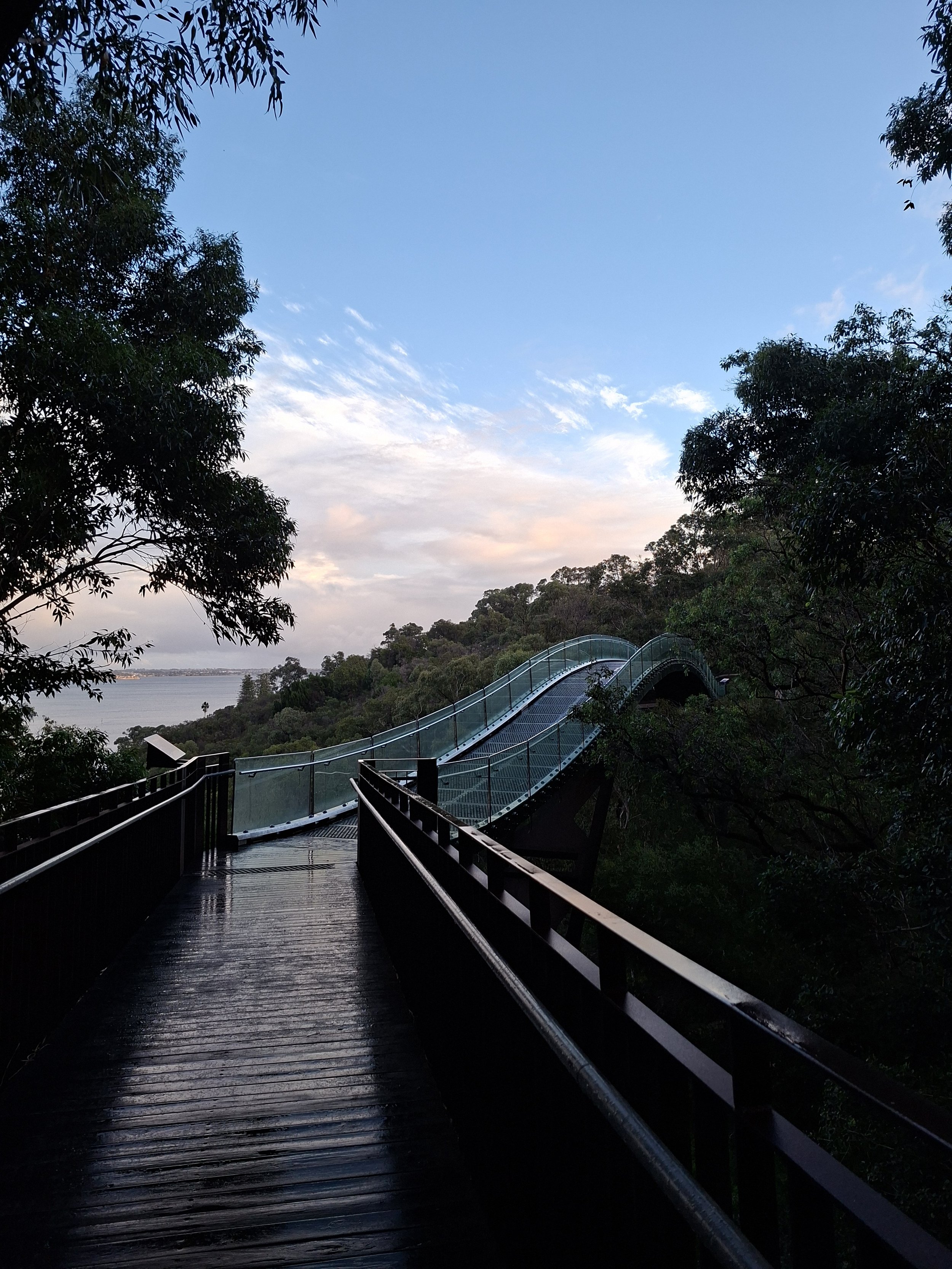
Here in Perth WA, Nature’s Garden can be found along the coastline, beside rivers, within native bushland, and in quieter green spaces woven through our suburbs.
Support in Nature’s Garden may involve walking, sitting quietly, noticing plants and wildlife, gentle movement, reflective conversation, grounding practices, or simply spending time outdoors with calm and respectful support.

Together, these three gardens offer different pathways for care, connection, confidence and meaningful support.
Who Garden Therapy may suit
Garden Therapy may suit people who benefit from support that is calm, practical, relational and connected to real-life activity.

For people who prefer doing alongside talking
Some people feel more comfortable doing something practical alongside someone, rather than sitting face-to-face in a traditional therapy or support setting.
For people building confidence and routine
Garden Therapy may support people who are building routines, confidence, independence, everyday skills and community participation.
For people reconnecting with wellbeing
Garden Therapy may offer a gentle way to reconnect with activity, purpose, people, place, emotional regulation, self-awareness and self-acceptance.
Garden Therapy does not require gardening experience, physical fitness or a large garden. Sessions are adapted to each person’s interests, needs, energy levels and goals.
A practical garden focus
Gardening is broad, and Garden Therapy can involve many different kinds of garden and nature-based activity. Sessions can be shaped around the person’s own interests, goals, garden space, culture, experience, energy levels and support needs.
Simon is open to working with many types of gardens and plant-related activities. His particular interests include food growing, practical sustainability, indoor plants and WA native plants.
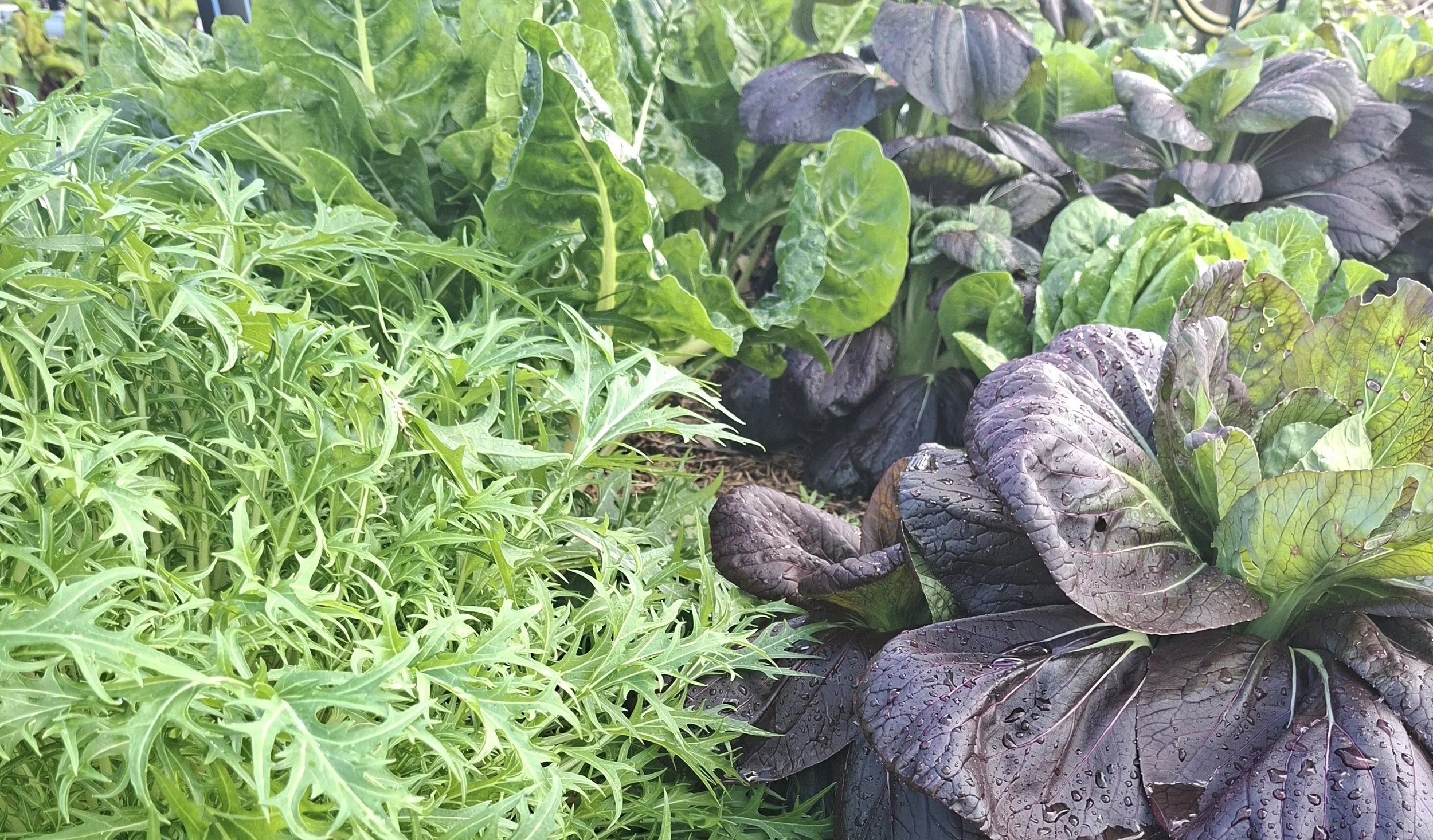
Food growing
Growing herbs, vegetables or fruit can support routine, skill-building, sensory engagement, sustainability and the satisfaction of caring for something useful.
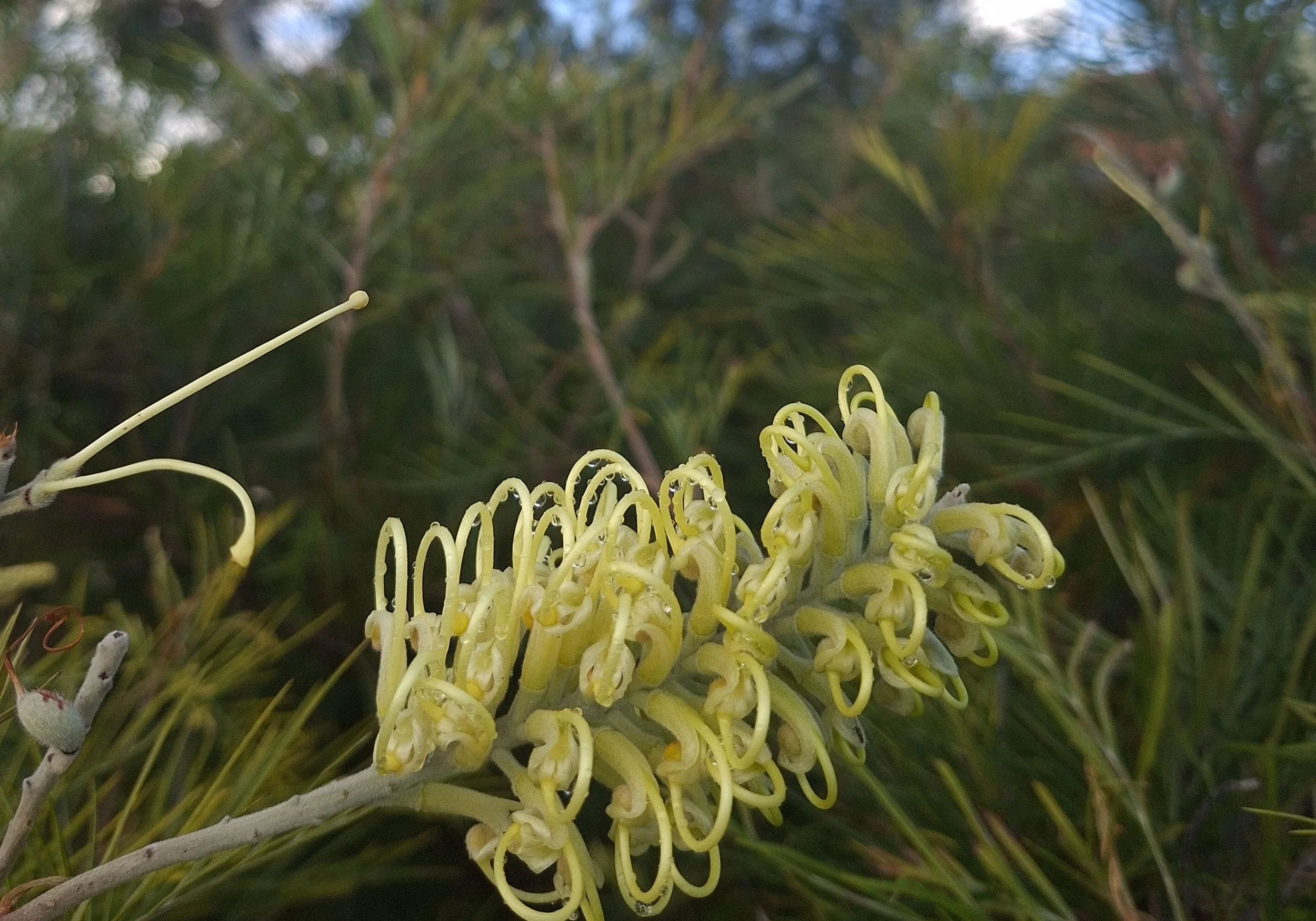
WA native plants
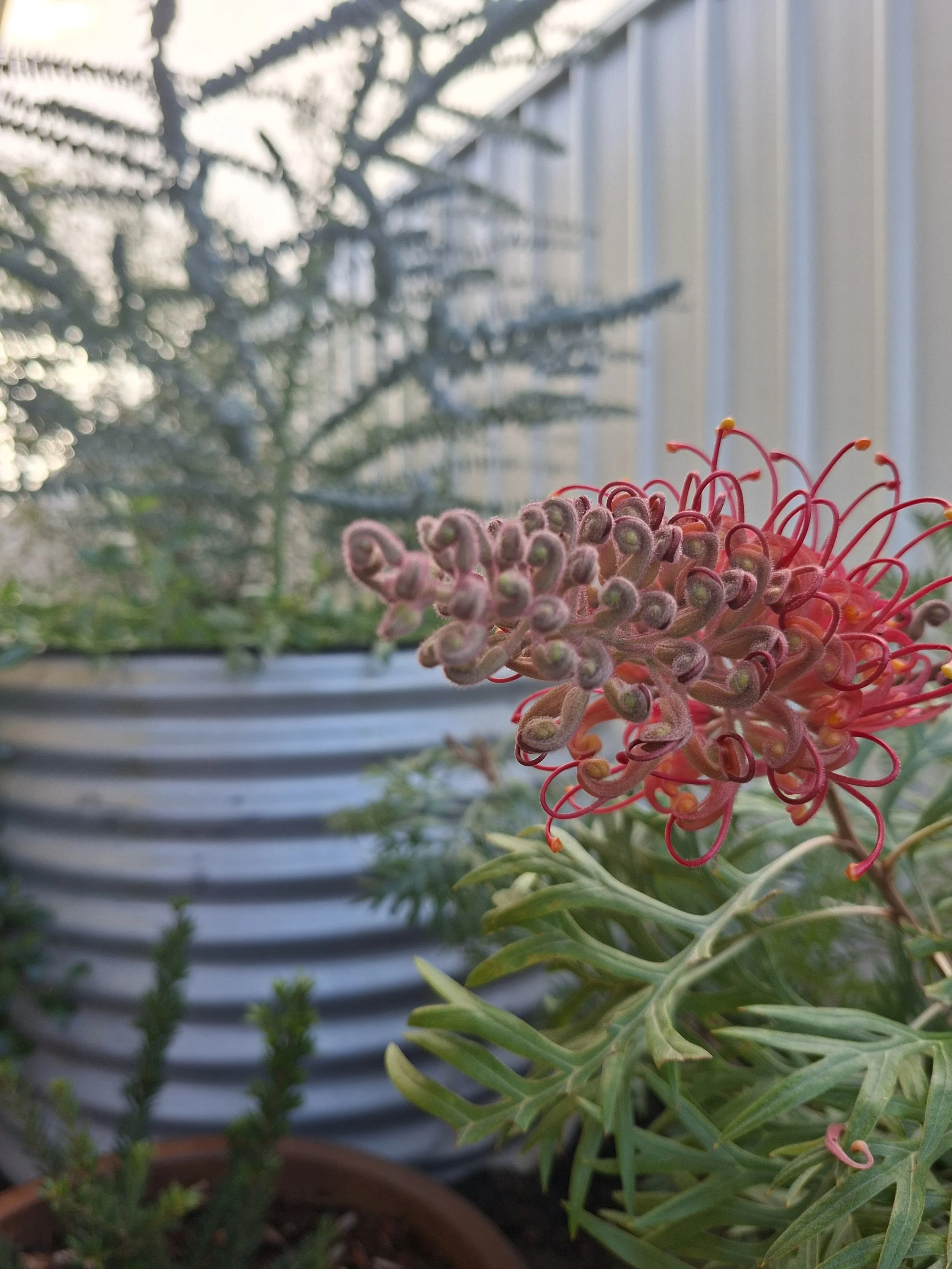
WA native plants can support connection with local ecology, seasons, habitat and place, while offering meaningful ways to care for the living world.
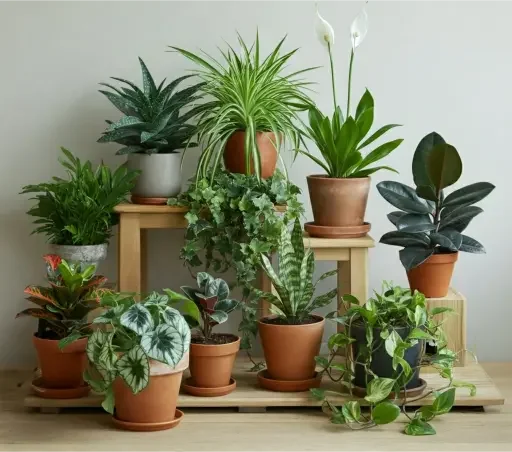
Indoor plants
Indoor plants can make garden-based activity more accessible, especially where outdoor space, energy, mobility, weather or access to gardens is limited.
These are examples, not limits. The focus is not on perfect gardening. It is on using garden activity in a meaningful way to support routines, confidence, everyday skills, participation, purpose and care for self, community and nature.

Garden Therapy as support work or counselling
Garden Therapy can be shaped in different ways depending on the person, their goals, their support needs and how their funding can be used.
Support Work
As support work, Garden Therapy is focused on practical participation and everyday activity.
This may suit people who want to take part in garden-based activities, try new things, build routines, practise skills, spend time outdoors or feel more confident being involved in their community.
The focus is on participation, experience, gentle encouragement and meaningful activity.
Counselling
As counselling, Garden Therapy is guided by the person’s therapeutic goals. Garden-based activities and therapeutic conversations are used together to support reflection, self-awareness, self-acceptance, emotional regulation and meaningful change.
The focus is not on gardening skill or productivity, but on how gardens, nature and practical activity can support deeper therapeutic work.
A garden, nature or community setting does not decide the service type on its own. What matters is the agreed purpose of the support. The most suitable approach can be discussed during enquiry, based on the person’s goals, preferences, funding and fit.
A gentle four-session introduction to The Three Gardens
For people new to Garden Therapy, Simon can offer a gentle four-session introduction. The aim is to explore different garden and nature-based settings, discover what feels most helpful, and shape future support around the person’s goals and needs.
1
Community Garden
Shared garden spaces that can support gentle participation, contribution and connection with a working garden environment.
2
Home Garden
Support in the person’s own garden, courtyard, balcony or indoor plant space, with a focus on routine, confidence and familiar surroundings.
3
Nature’s Garden
Parks, bushland, riverside or coastal spaces, with a focus on movement, grounding, reflection and connection.
4
Kings Park bridge session
A spacious and accessible setting that can help bridge community garden sessions and wider natural environments.
The four-session introduction can be adapted depending on what feels suitable, safe and helpful for each person.

Community garden settings
Garden Therapy may take place in suitable community garden settings where this is safe, available and aligned with the person’s goals, needs and funding.

Perth City Farm
Garden-based support sessions may be available at Perth City Farm, depending on suitability, availability and the person’s goals, needs and funding.
This setting may offer opportunities for meaningful outdoor activity, gentle participation and connection with a real working garden environment.
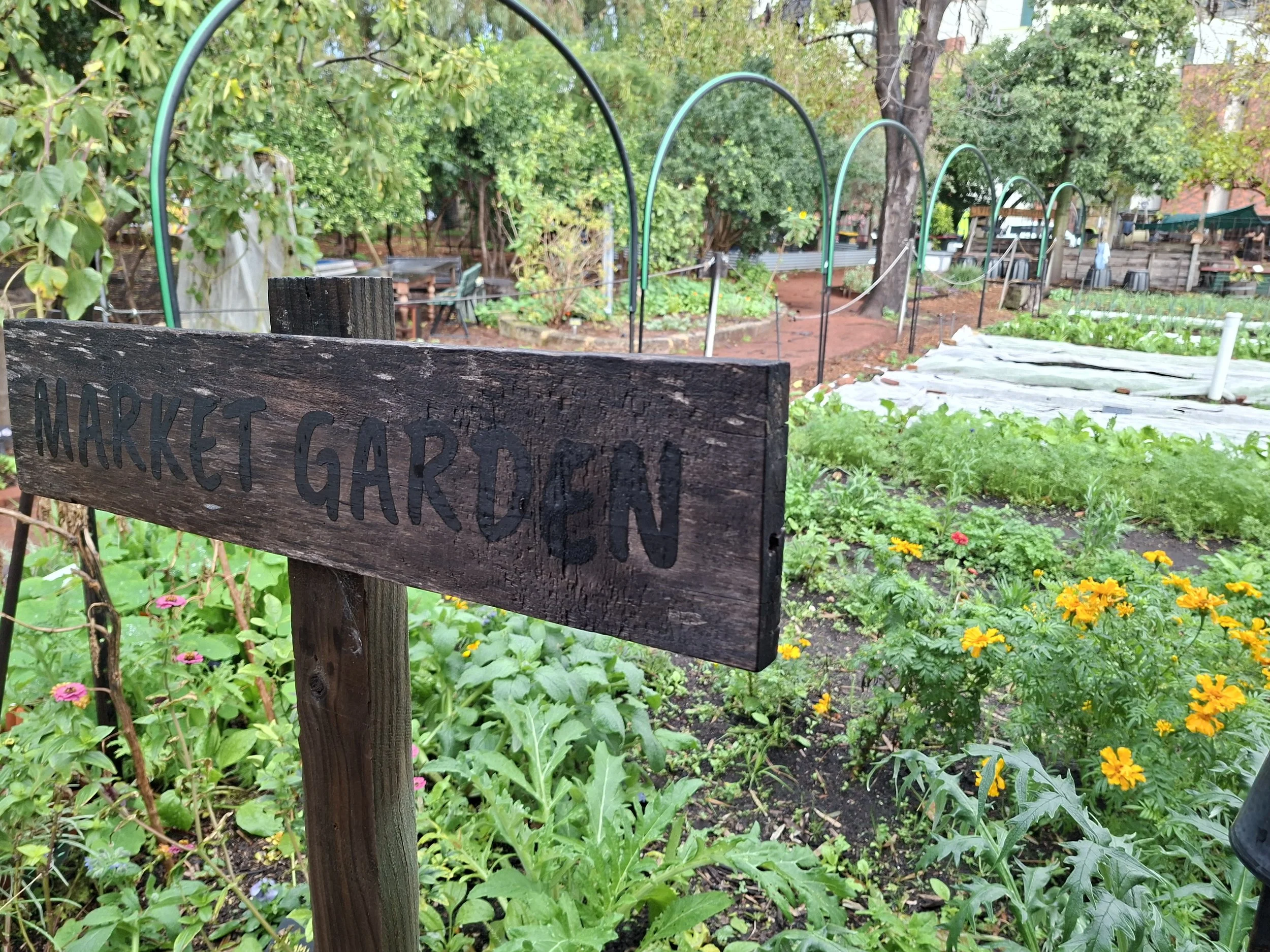
Padbury Community Garden
Simon is involved in Padbury Community Garden as a committee member, contributing to garden development, community projects and sustainable composting systems.
This space may become suitable for some Garden Therapy sessions in the future as the garden continues to develop.
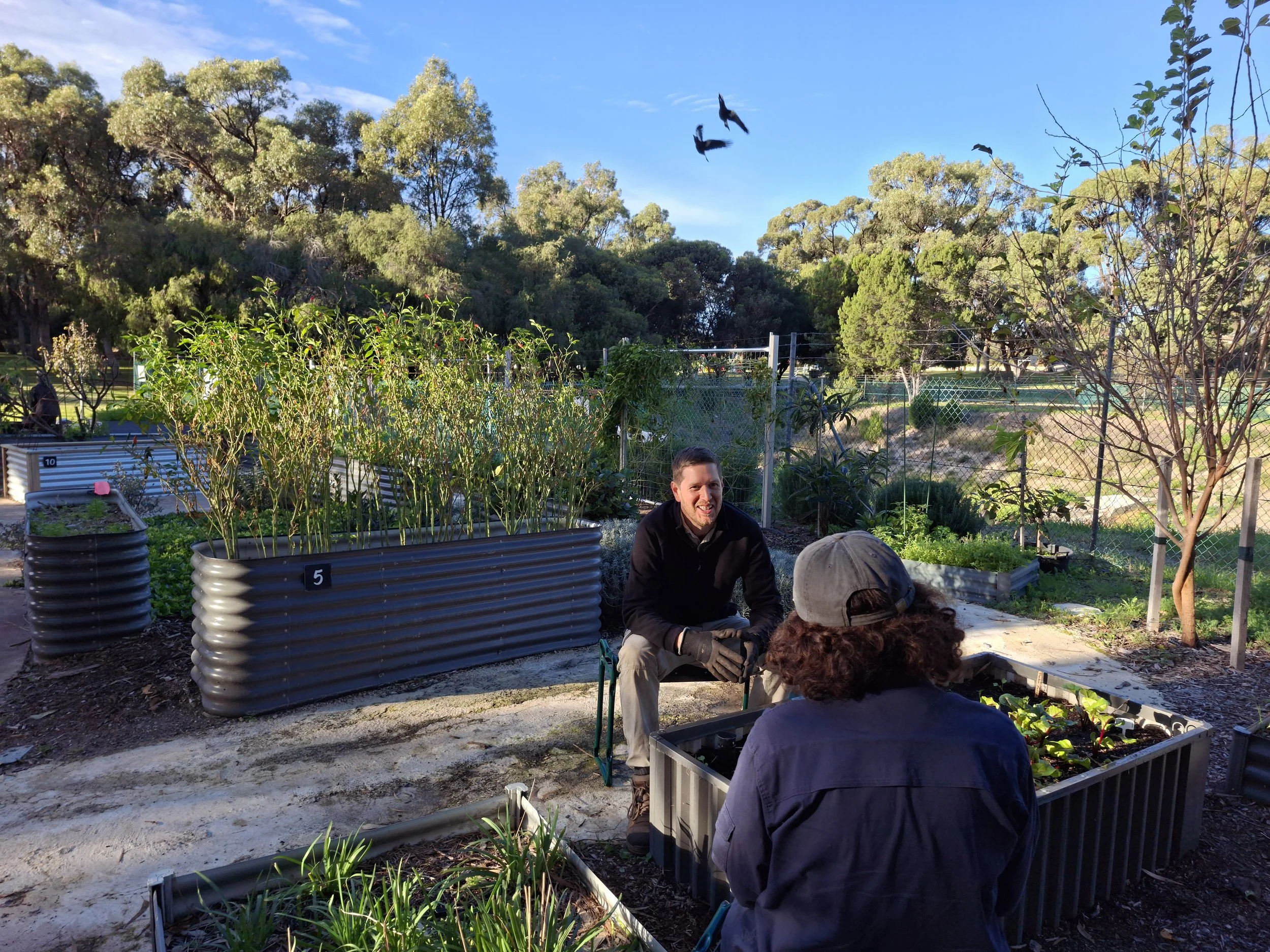
Community garden sessions are only offered where the setting, activity and support role are clear, safe, suitable and appropriate.
Practical details and next steps
Garden Therapy sessions are flexible, person-centred and shaped around what is suitable, safe and meaningful.
Support tailored to you
Garden Therapy sessions are shaped around each person’s goals, interests, energy levels, support needs, preferences and pace.
Flexible locations
Sessions may take place in home gardens, community gardens, parks, bushland, riverside or coastal spaces, depending on what feels suitable, safe and meaningful.
Funding
Cultivating Care WA is open to private clients, as well as self-managed and plan-managed NDIS participants where the support aligns with the person’s goals, needs and funding.
Simon is not currently an NDIS registered provider.
The next step
Simon offers a free, no-obligation meet-and-greet to talk through what the person is looking for, what Garden Therapy might involve, and whether Cultivating Care WA may be a good fit.

You are welcome to contact Simon to discuss what you are looking for, whether Garden Therapy may be a good fit, and what the next steps could look like.
A free, no-obligation meet-and-greet can help explore the person’s goals, needs, preferences and support options.